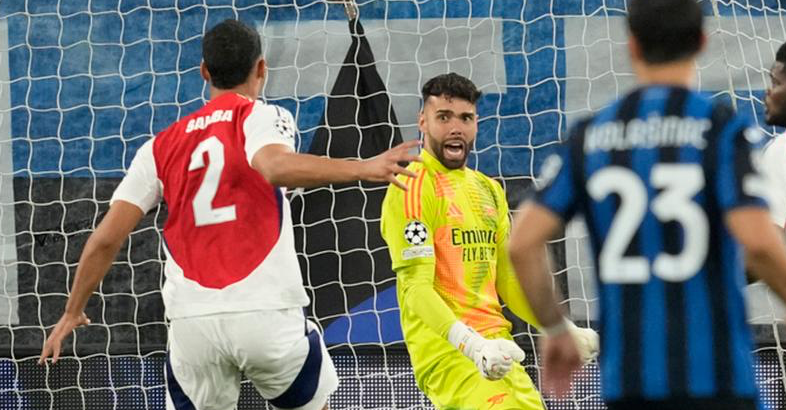
Arsenal’s choice to bring in David Raya, a shorter but more technically gifted goalkeeper, has been vindicated. Photograph: FMT Creative Commons
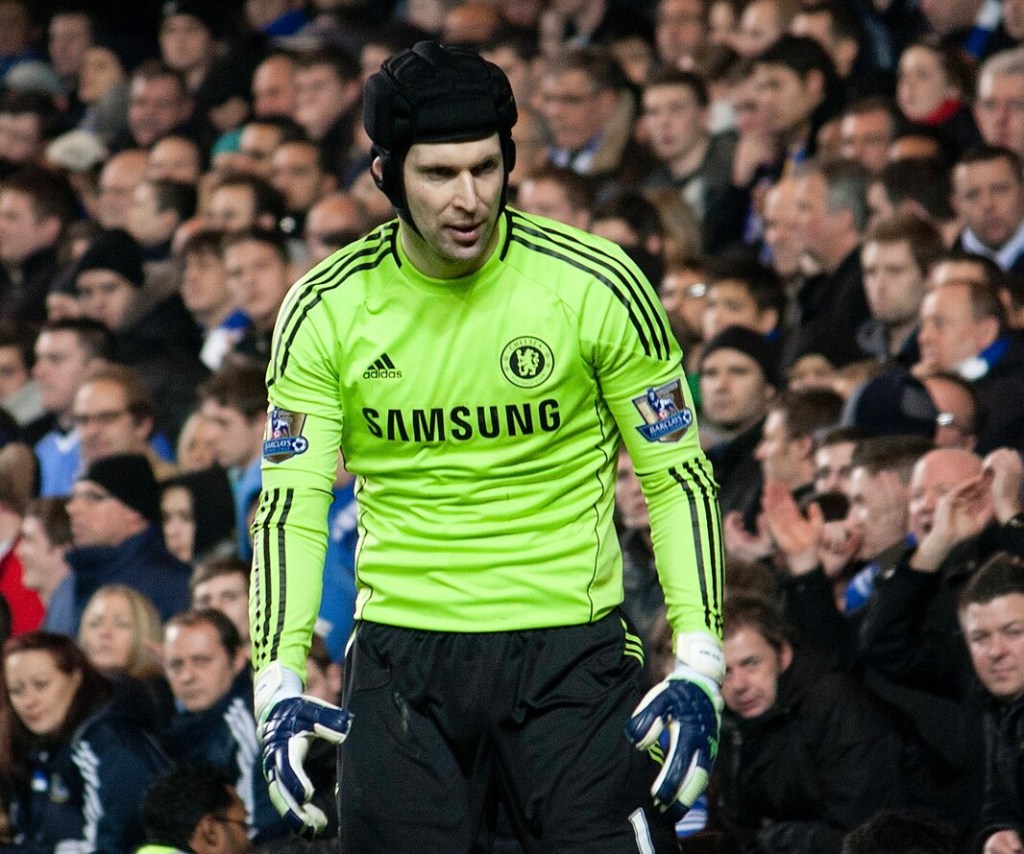
The sense of foreboding was palpable before Petr Cech even took the goal kick. There was nothing reassuring about the way his gangly, ageing frame awkwardly stooped to push, prod and bundle the ball across his six-yard area. There was nothing calming about how he fired a bobbling pass into Sokratis. There was nothing masterful about the way, under little pressure, he almost sent the ball skittling into his own bottom corner.
It was already 1-0 to Manchester City 22 minutes into Unai Emery’s first game in charge of Arsenal when Cech nearly doubled the visitors’ lead. Of course, it is not entirely the fault of the 36-year-old veteran who had, before then, only ever been told to launch the ball as far up the pitch as possible.
There was an article in the Times this week which suggested Chelsea fans would want Cech back between the sticks, rather than their existing options of Robert Sanchez and Filip Jörgensen. The argument was that signing these ‘midfielders who play in goal’ was why Chelsea were struggling to find a settled number one.
It is harsh to blame the entire concept of ball-playing goalkeepers for Chelsea’s woes. Across the pitch their recruitment has been hapless. Why should we expect the signing of Brighton’s second choice goalkeeper or a 22-year-old with just 38 professional league games under his belt to be any more of a success at Stamford Bridge?
The switch to ball-playing goalkeepers has always been unpopular; sparked nine years ago by Pep Guardiola’s ousting of England number one Joe Hart for Claudio Bravo. Since then, Premier League sides have gradually shifted to shun the traditional towering presence at the back.
But it is not just goalkeepers that have changed. Football has changed so drastically since the turn of the millennium that many do not recognise the sport they grew up watching. Everyone believes that football was better in their day.
Days before VAR, before there were holes cut into players’ socks, before shin pads were tiny. Days when goalkeepers could command a box, full-backs knew how to defend, wingers could beat a man, strikers could score goals. Football used to be simple – and perhaps that is the root of the ire.
But, now, footballers and coaches are too good to remain simple. The core aspects of goalkeeping have evolved beyond a need to simply be a good shot-stopper. Put Cech in a current Guardiola City or even an Ange Postecoglou Tottenham Hotspur side, and no matter his ability with his hands, the team would suffer in other areas.
Of course, Cech was levels above the likes of Fraser Forster. But the old-fashioned, 6ft 7in Spurs keeper’s erroneous ball work was humiliatingly targeted. There is little to suggest that Cech would offer anything different with the ball at his feet – you could see as much at Arsenal.
Ball-playing is a core aspect of modern goalkeeping and the game will never return to the days of number ones just requiring a safe pair of hands. If they cannot control and pass a ball or sweep up from behind the defence, then teams playing at the highest level find themselves essentially a man down.
Some players are so good that even the best coaches make concessions. Guardiola has chosen to persist with goal-machine Erling Haaland up-front, despite impacting their ability to dazzle sides with impossible passing combinations. The Norwegian is so often isolated in general play that City have one less man in build-up.
But, Haaland’s lack of link-up play is subsequently counterbalanced by Ederson’s ability to dictate play from their own box. Where they lack an option on the ball, they make up in the form of the Brazilian.

Criticism of Haaland is easy, and frequent. Yet, that same criticism would and should apply equally to a goalkeeper unable to play out from the back. Sure, Cech would offer a better option in goal than his ball-playing counterparts but would it necessarily make them a better side – maybe not. A Premier League side could opt to sign a traditional goalkeeper, but the ramifications on the rest of the team may prove a risk too big for many clubs.
Arsenal’s decision to move from Cech to Bernd Leno to Aaron Ramsdale to David Raya brought scepticism and endless questioning. With each change, Arsenal opted for a slightly shorter, but more technical goalkeeper. With each switch, they were vindicated.
Football has evolved beyond the need for a pure shot-stopper, and that could be for the better. The top Premier League sides are obsessed with controlling games. If they have the ball, they are less likely to concede efforts on goal. If a weaker shot-stopper prevents chances even being created, is that worth the trade off? Maybe it is.
As complex as football may now seem to be, it can boil down to the simple fact that the opposition cannot score if they do not have the ball.
Unless, of course, a goalkeeper is capable of clumsily misplacing passes into their own net.
Similar Posts
- 20 years after Arsène Wenger’s anniversary, how different are Mikel Arteta’s Arsenal?

- Laura Holden: ‘I don’t want what happened to me to happen to anyone else’

- TWIW: Baller League, where the fun never stops. Even when it should.

- Procrastination to power: Zohran Mamdani offers refreshing political approach to sport

- The first, the old and the new Jack Wilshere

- Second again, again, again… and again?

 Jack McRae writes...