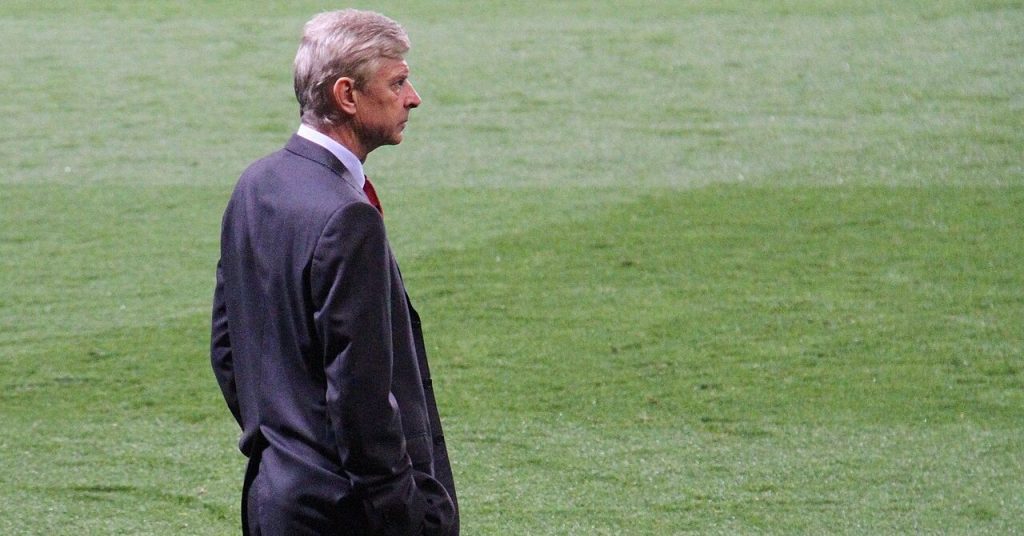
Arsene Wenger had been Arsenal boss for 10 years. Photograph:Wikimedia Commons / Ronnie Macdonald
“When Arsène Wenger eventually does leave, he will leave it in immeasurably better hands than when he first came,” Alan Smith said as the Arsenal manager was unveiled to an adoring crowd on the tenth anniversary of his appointment.
I had only been alive for five of those ten trophy-laden seasons and, watching my first ever live game, I was one of 60,000 applauding the French coach. Wenger had transformed Arsenal and English football immeasurably, but I could not appreciate that at the time. My memories of that first game are a blur and the hundreds of games since have flown by, not allowing me to stop and look back.
The Premier League’s website is now showing full replays of games from the early 2000s. You can hark back to the good old days before VAR, expected goals and football Twitter to a golden age of Barclaysmen, shots from range and four-four-fucking-two.
For the first time since October 2006, I watched Arsenal beat Watford at the recently opened Emirates Stadium. At the time, Wenger had lifted seven pieces of major silverware at Arsenal and, just months before, had been 14 minutes away from winning the Champions League.
That wound was still fresh but, looking back now and hearing Smith’s words, who could have foreseen just how far Arsenal would fall in the following 12 years under Wenger? In hindsight it seems obvious. The Gunners had seen their Invincibles side torn up and dispersed, the debt of the stadium was a heavy burden and, the most egregious sign of madness, William Gallas wore Dennis Bergkamp’s iconic number 10 shirt.
Few would have expected that the wait for a Premier League title would stretch as long as 22 years, Arsenal’s longest wait for the English top-flight title in its history since winning their first league championship in 1930. They have finished runners-up in each of the last three seasons and, after a dropping two more points against Wolves in mid-week, threaten to add another disappointment to the list.
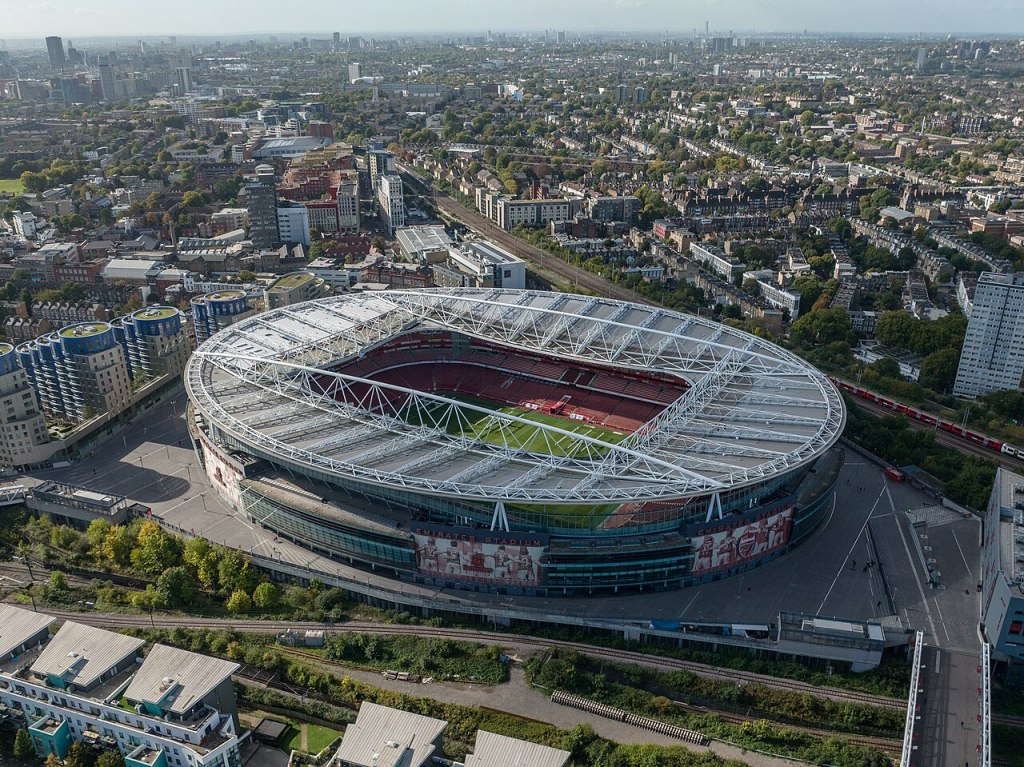
I am lucky to have seen Arsenal win four FA Cups since that sunny afternoon almost 20 years ago, but you always dream of more. With Arsenal top of the Premier League and Champions League, in the final of the League Cup and still in the FA Cup, it is impossible to not get excited about the prospect of a quadruple this season – even if the likelihood of winning just one of those four cups hangs in the balance.
Arsenal have been accused of being too safe in possession and too reliant on set-pieces this season, shedding the soft-underbelly in favour of a stagnant, defensive behemoth. But what were Arsenal actually like to watch in 2006 when they supposedly played beautiful football and wanted to pass it into the net?
The game kicked off, with two players at the centre spot in a throwback to one of the stranger rules to have fallen by the wayside in recent years, and Theo Walcott was immediately the centre of attention. The spritely teenager was making his first ever start for Arsenal a week after starring for the England under-21s alongside Ashley Young, the Hornets’ own prodigy.
Within a couple of minutes, the starkest difference between Premier League football in 2006 and 2026 smacks you in the face. The amount of space on the pitch and the gaps between the banks of defence, midfield and attack are shocking and look almost amateur.
There is also more of a tendency to have shots from distance, even if Kolo Touré levelling up an effort from a free-kick just inside the Watford half took that to the maximum. With the score still 0-0, Cesc Fàbregas rolled the ball to the Ivorian defender who then lashed a wild shot that flew high, wide and into the North Bank. The absurdity of the shot made me laugh. Mikel Arteta would have a meltdown if William Saliba tried something similar.
Despite this, there is a clear effort to make the most from set-pieces from both Watford and Arsenal with Hornets stalwart full-back Lloyd Doyley’s long-throw not too dissimilar from the arrows launched by the likes of Brentford’s right-back Michael Kayode this season.
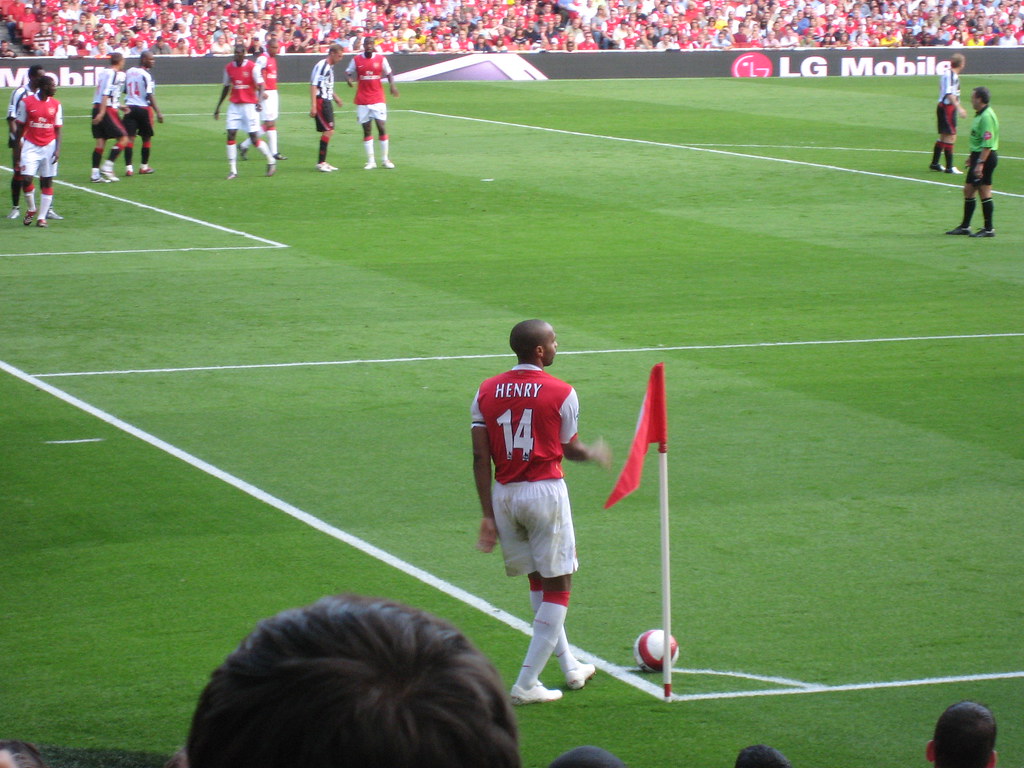
Arsenal’s opener even came from a set-piece. Fàbregas’ floated free-kick from distance was headed goalwards by Emmanuel Adebayor and deflected off of Jordan Stewart, jostling with Touré, beyond Ben Foster in the Watford net.
At 1-0, Arsenal rode their luck at times with Marlon King and Tommy Smith both missing golden chances for the away side. There is a marked difference in quality between the sides struggling at the bottom of the Premier League in 2006 and 20 years on. The thought of Doyley curling in an effort akin to Hugo Bueno’s last week is inconceivable.
Thierry Henry was special and he put the wasteful Hornets to the sword. He toyed with Jay DeMerit, sending him sprawling to the floor with flicks and tricks before outmuscling the American, spinning behind and slotting a left-footed effort around Foster just before the break.
The famous shout of ‘Come on you Gunners’ by Maria Petri rang out as the game restarted after the break. The familiar voice of the beloved Arsenal fan, who followed Arsenal men and women across England and beyond before her death aged 83 in 2022, was a nice, nostalgic reminder of how football and this club knit so many of our lives together.
Arsenal boasted an immense depth of creativity and watching Tomáš Rosický and Alexander Hleb jinking in and out of a swathe of reckless, flying studs was a joy. The modern-day Arsenal should be able to do that too. Why have Eberechi Eze and Martin Ødegaard had their wings clipped?
Henry was again the tormentor and raced through before squaring unselfishly to Adebayor to knock home a third into the gaping net. Robin van Persie was also introduced off of the bench in a reminder of the striking talent possessed by Wenger at the time. The difference between Henry, Adebayor and Van Persie and Viktor Gyökeres, Kai Havertz and Gabriel Jesus is comically large.
Wenger oversaw far more success in his first decade as Arsenal boss than Mikel Arteta, but the Spanish manager has had to rebuild a club devastated by a stagnant decade under the Frenchman and his successor Unai Emery.
Arteta has failed to get his team over the line in each of the last three seasons and, taking his side to Tottenham Hotspur on Sunday afternoon, is under immense pressure to get the club back on the winning track. Yet, like Wenger, he has transformed the club immensely – but, until he secures silverware, questions will remain.
When Mikel Arteta eventually does leave Arsenal, will he leave it in immeasurably better hands than when he first came? Time will tell.
Similar Posts
- 20 years after Arsène Wenger’s anniversary, how different are Mikel Arteta’s Arsenal?
- Laura Holden: ‘I don’t want what happened to me to happen to anyone else’

- TWIW: Baller League, where the fun never stops. Even when it should.
- Procrastination to power: Zohran Mamdani offers refreshing political approach to sport

- The first, the old and the new Jack Wilshere

- Second again, again, again… and again?
 Jack McRae writes...