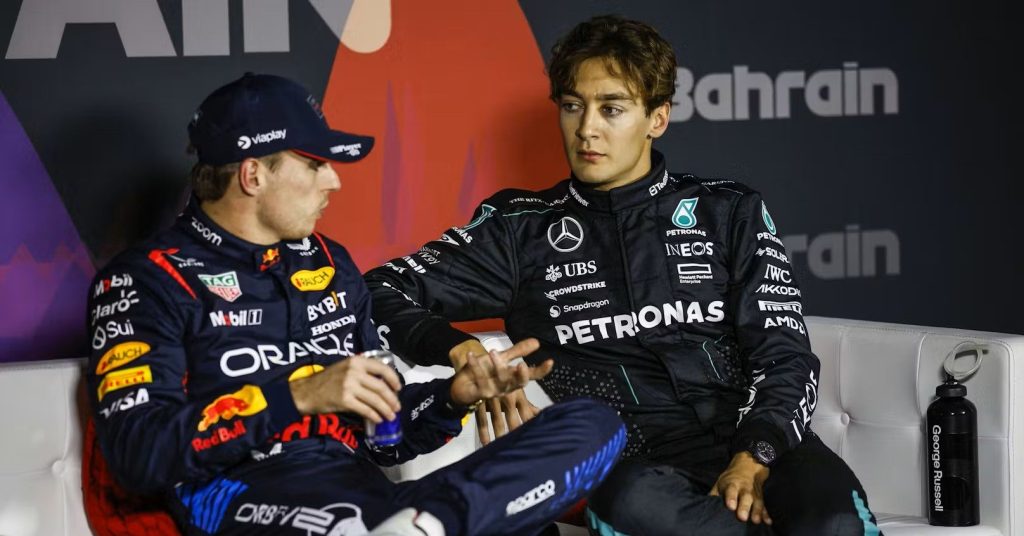
Mercedes driver George Russell (right) won the first race of the new Formula One season. Photograph: Heute.at Creative Commons.
This week I watched Formula One. No one really likes change, but the relentless hunger to intensify competition in F1 has forced a constant and extraordinary evolution. While the premise of a race around a track has remained the same for 75 years, F1 is at a stage where, every year, there is a fresh engine, new aerodynamics or an engineering feat to flip the competition on its head.
The lights went out on the new 2026 season on Sunday in Melbourne to usher in a new era of more stringent rules and seemingly unpopular stipulations. Cars have been made smaller and lighter and drivers now have to consider energy consumption to profit from new overtake and boost functions.
It feels quite futuristic and it will take time for a lot of those on the grid to adjust. It is not exactly something that can be achieved instantaneously when hurtling around corners at hundreds of miles an hour. In a survival of the fittest and fastest, those that adapt quickest will reap the rewards.
Mercedes and Ferrari appear favourites to compete for the big prizes in 2026. Last year’s champion Lando Norris and four-time winner Max Verstappen, of McLaren and Red Bull respectively, look to be fighting an uphill battle from the off.
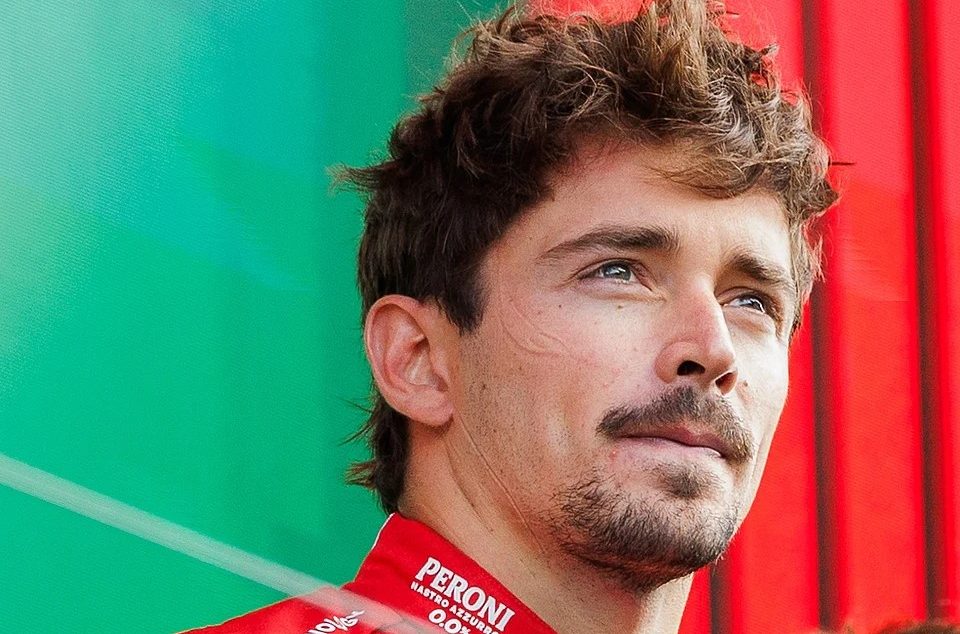
George Russell and Kimi Antonelli secured a Mercedes one-two with team Principal Toto Wolff smiling suavely to the cameras when his black and silver bullets raced beyond the waving checkered flag. A dominant qualifying round had indicated that they would seize the initiative on Sunday, but the relative ease with which Russell cruised to victory already feels definitive.
Charles Leclerc caused a few early headaches for the English driver after a blistering start, but the drama, and the Ferrari driver, would soon slip away from the front. Leclerc settled for the lowest step on the podium, with team-mate Lewis Hamilton in fourth.
“It was a very tricky race,” Leclerc told Jenson Button on Channel 4. “It looked like Mercedes had a bit more pace than us today, but maybe not as much as we saw yesterday, so that is a good thing. But I don’t think we could have won.”
The promotional teams at F1 might be frustrated with the straight-talking Leclerc. It hardly builds excitement for the season ahead when the driver of the next best car believes it is impossible to catch the front runner before the first Grand Prix is even underway.
The sport has done a fantastic job of promoting itself in recent years. The runaway success of Drive to Survive on Netflix means that F1 is undoubtedly the most popular it has ever been and there never seems to be an escape from the whizz of the motor engine across traditional and social media.
You can watch the qualifying and the race live on Sky Sports. If that is not enough, Netflix has a new season of its own access-all-areas docuseries. And if your social algorithm drags you to those depths, you can watch slightly irritable influencers boasting about being granted paddock access.
There has never been more F1 content to consume, but I have never felt more detached from it in recent years. I have been busier and I have not always been able or willing to part with three hours every Sunday to watch 20-odd cars fly around a track with the winner feeling almost predetermined.
I remember Lewis Hamilton winning his first World Championship in 2008. I enjoyed the years in which Sebastian Vettel dominated either side of a Jenson Button and Nico Rosberg title. I followed the latter’s spat with Hamilton with mild but distant intrigue.
Since then, I have found my attention and interest waning. As such, I only see the cringey clips going viral on social media and these have only pushed me further away. Turning on the TV on Sunday, I was quite relieved to find the so-called ‘traditional’ media coverage enjoyable and informative. I had become so disillusioned by and accustomed to the dramatisation of F1 that I had lost all hope that Channel 4 would even offer anything but jumped-up shouting and over-the-top montages.
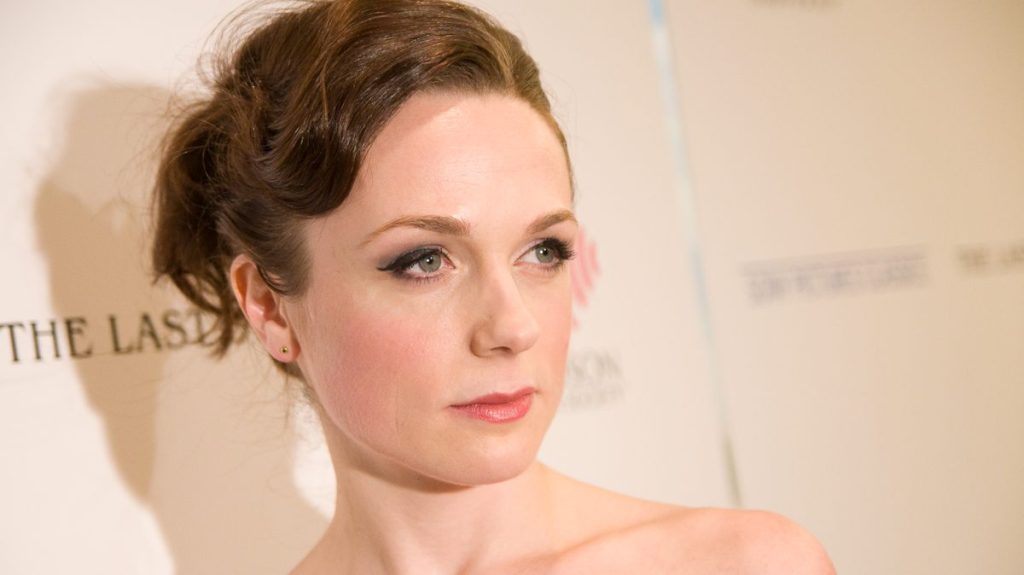
I recently watched the Oscar-nominated F1 film which felt an encapsulation of the empty content sprawl, gilded by celebrity promotion and excessive luxury. I enjoyed the film, but Brad Pitt and Damson Idris’ characters felt clichéd. Their flat personas were rescued by the brilliant Kerry Condon, who provided a necessary foil to the overbearing machismo.
My consumption of the sport has been through everything apart from the racing itself and maybe I need to learn a lesson from that. Yet the way in which F1 has been broadcasted, promoted and viewed has shifted so drastically since I was watching Hamilton almost two decades ago.
No one really likes change, but maybe I can find a way to block out the chatter of the algorithm and focus on the actual sport and whistling roar of the cars racing by – even if the engine noise is now a little different as F1 modifies itself yet again.
Similar Posts
- TWIW: Formula One has changed and so has the way we consume it
- TWIW: Hurling transforms Ruislip into Irish hub

- TWIW: Ten years on from Kaepernick, the Superbowl cannot hide Trump’s ugly America
- TWIW: There is more beneath the Americanised surface of ice hockey and Petr Cech is proof
- TWIW: Seats, not pockets, need to be filled first if British basketball is to explode
- TWIW: Van Veen grows from boy to man as darts continues to produce special moments and characters

 Jack McRae writes...